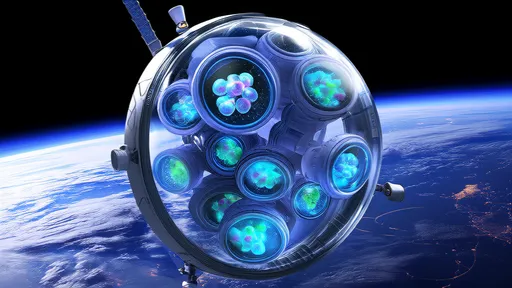
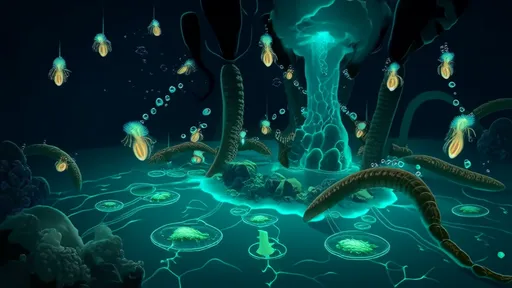
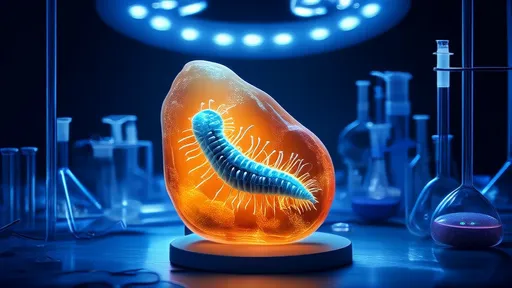
In the vast expanse of Earth's atmosphere, a team of scientists has uncovered a hidden reservoir of microbial life thriving at an altitude of 20 kilometers. This discovery, nestled within the stratosphere, challenges long-held assumptions about the limits of life on our planet. The so-called "Stratospheric Life Pod" represents not just a biological curiosity but a potential genetic goldmine that could reshape our understanding of microbial adaptation and evolution.
The stratosphere, once considered an inhospitable zone for life, has revealed itself to be anything but barren. At these dizzying heights, where temperatures plummet and ultraviolet radiation intensifies, resilient microorganisms have carved out an existence that defies conventional wisdom. These stratospheric dwellers possess genetic adaptations that allow them to withstand conditions that would prove lethal to most terrestrial life forms.
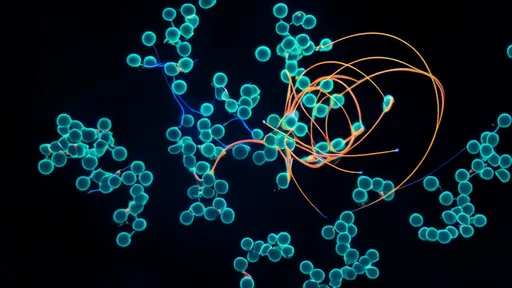
What makes these high-flying microbes particularly fascinating is their unique genetic signature. Early analyses suggest they represent a distinct evolutionary lineage, separate from their surface-dwelling counterparts. Their DNA contains sequences that code for novel proteins, some of which appear to be specialized for surviving in the thin, cold air of the upper atmosphere. Researchers speculate these genetic adaptations might hold the key to developing new biotechnologies.
The discovery came about through an ambitious atmospheric sampling program using specially designed high-altitude balloons. These scientific platforms carried collection devices capable of capturing and preserving microbial life without contamination from lower atmospheric layers. The sampling protocol was rigorous, involving multiple verification steps to ensure the organisms truly originated from the stratosphere rather than being carried up from below.
Among the most surprising findings was the diversity of life at such extreme heights. The microbial community includes not just bacteria but also archaea and fungal spores, forming a complex ecosystem suspended in the sky. Some species appear to be permanent residents of the upper atmosphere, while others might be transient visitors carried aloft by powerful storms or volcanic eruptions.
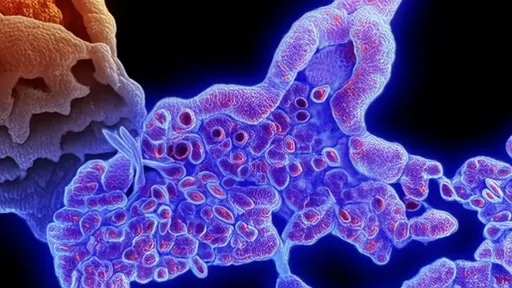
The implications of this stratospheric gene pool extend far beyond basic scientific curiosity. Pharmaceutical researchers are particularly interested in the unique enzymes these microbes produce. Early tests suggest some of these biological catalysts could have applications in medicine, particularly in developing new antibiotics or anti-cancer drugs. The extreme conditions of the stratosphere appear to have pushed these microorganisms to evolve biochemical solutions to problems that their ground-based relatives never encountered.
Climate scientists are also paying close attention to these atmospheric inhabitants. There's growing evidence that stratospheric microbes might play a previously unrecognized role in atmospheric chemistry and even cloud formation. Their metabolic activities could influence the concentration of various gases at high altitudes, potentially affecting everything from ozone levels to global climate patterns.
The discovery raises profound questions about how life spreads across our planet. Some researchers speculate that the stratosphere might serve as a global highway for microbial dispersal, allowing organisms to travel vast distances without ever touching the ground. This could explain how genetically similar microbes appear in geographically isolated locations. The stratospheric life pod might be part of a planetary-scale microbial network we're only beginning to understand.
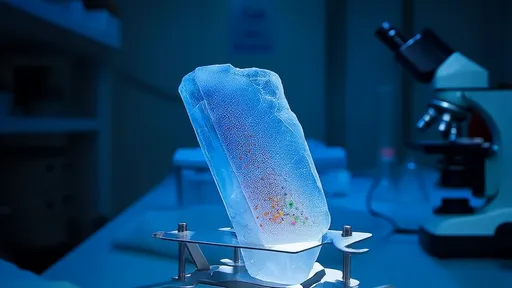
As exciting as these findings are, they also present significant technical challenges. Studying these organisms requires specialized equipment that can simulate stratospheric conditions in the laboratory. Maintaining the proper combination of low pressure, intense radiation, and extreme cold while keeping the microbes alive for study has pushed the boundaries of microbiological research techniques.
Looking ahead, scientists are planning more extensive stratospheric sampling missions. The next phase of research aims to map seasonal variations in the microbial population and investigate how these communities respond to environmental changes. There's particular interest in understanding how climate change might affect this high-altitude ecosystem, and conversely, how changes in the stratospheric microbiome might influence climate patterns at ground level.
This stratospheric gene bank represents one of the last unexplored frontiers of life on Earth. As we continue to probe its secrets, we may find that life's tenacity extends even further than we imagined. The microorganisms drifting at the edge of space remind us that our planet's biosphere is more extensive, more interconnected, and more surprising than we ever suspected.
The discovery of the stratospheric life pod opens new avenues for understanding the extreme limits of life's adaptability. These high-altitude microbes have evolved in isolation under conditions that mimic some aspects of extraterrestrial environments. Astrobiologists are particularly intrigued by what these organisms might tell us about the potential for life on other planets with thin atmospheres or extreme conditions.
Beyond their scientific value, these stratospheric microorganisms may hold practical benefits we're only beginning to appreciate. Industrial applications could range from novel enzymes for manufacturing processes to biological components for next-generation materials. The unique properties that allow these microbes to survive intense UV radiation could inspire new approaches to radiation protection in medicine and space travel.
Perhaps most importantly, this discovery forces us to reconsider our definitions of habitable zones. If life can persist in the harsh environment of the stratosphere, it suggests that we may need to expand our search parameters when looking for life elsewhere in the universe. The stratospheric life pod serves as a reminder that life finds a way even in the most unexpected places, constantly challenging our assumptions about where and how life can exist.

By /Aug 14, 2025

By /Aug 14, 2025
By /Aug 14, 2025

By /Aug 14, 2025

By /Aug 14, 2025
By /Aug 14, 2025
By /Aug 14, 2025

By /Aug 14, 2025
By /Aug 14, 2025
By /Aug 14, 2025
By /Aug 14, 2025

By /Aug 14, 2025

By /Aug 14, 2025

By /Aug 14, 2025

By /Aug 14, 2025

By /Aug 14, 2025
By /Aug 14, 2025

By /Aug 14, 2025
By /Aug 14, 2025
By /Aug 14, 2025
