The discovery of dental interventions among Neanderthals has long fascinated archaeologists and anthropologists. Recent findings suggest that these ancient hominins not only suffered from tooth decay but may have also attempted rudimentary dental treatments, including the use of resin as a filling material. This revelation challenges the conventional view of Neanderthals as primitive beings with limited cognitive abilities, instead painting a picture of a species capable of innovative problem-solving in the face of dental distress.
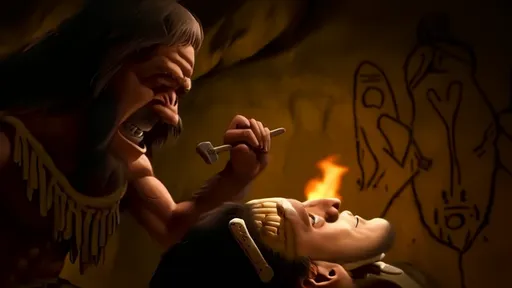
Evidence from fossilized teeth reveals that Neanderthals experienced many of the same dental issues as modern humans, including cavities, abscesses, and tooth wear. What sets them apart, however, is the presence of what appears to be intentional dental modifications. Researchers examining teeth from several Neanderthal specimens have identified grooves and indentations that suggest the removal of decayed tissue, followed by the application of a sticky substance—likely plant resin—to seal the cavity.
The Role of Resin in Prehistoric Dental Care
Plant resins, derived from trees such as birch and pine, were commonly used by ancient humans for various purposes, including tool hafting and waterproofing. Their adhesive and antimicrobial properties made them ideal for dental applications as well. Analysis of resin residues found in Neanderthal teeth indicates that these substances were deliberately applied to damaged areas, possibly to alleviate pain or prevent further infection. This practice mirrors modern dental fillings, albeit in a much cruder form.
One particularly compelling case comes from a Neanderthal molar discovered in a site in modern-day Italy. The tooth exhibits clear signs of decay, with a hollowed-out portion that appears to have been filled with a resin-based material. Microscopic examination reveals that the resin was worked into the cavity, suggesting that Neanderthals may have used simple tools to apply the substance precisely. This level of dental intervention implies a sophisticated understanding of oral health, at least in a practical sense.
Pain Management and Practical Knowledge
Toothaches are debilitating, and Neanderthals were no strangers to dental pain. The decision to fill a cavity with resin hints at an awareness of cause and effect—understanding that leaving decay untreated could lead to worsening pain or systemic infection. While we cannot know for certain whether Neanderthals comprehended the biological mechanisms behind tooth decay, their actions demonstrate a pragmatic approach to relieving discomfort and preserving functional teeth.
Interestingly, the use of resin may have also had unintended benefits. Some resins possess mild analgesic and antibacterial properties, which could have provided temporary relief from pain and slowed the progression of infection. This accidental discovery of resin’s medicinal properties may have been passed down through generations, becoming an early form of dental care tradition among Neanderthal groups.
Broader Implications for Neanderthal Intelligence
The existence of dental fillings in Neanderthals adds to a growing body of evidence that these ancient humans were far more resourceful than previously believed. From crafting complex tools to engaging in symbolic behavior, Neanderthals exhibited behaviors once thought exclusive to Homo sapiens. The deliberate use of resin to treat dental issues further blurs the line between Neanderthal and modern human cognitive capabilities.
Moreover, the fact that resin fillings were not universally found among Neanderthal remains suggests that this practice may have been a localized or specialized knowledge. Some groups might have developed their own methods of dental care, while others relied on different remedies or simply endured dental pain without intervention. This variability speaks to the cultural diversity that likely existed among Neanderthal populations.
Conclusion: Rethinking Prehistoric Medicine
The study of Neanderthal dentistry forces us to reconsider the origins of medical knowledge. Long before the advent of modern dentistry, early humans were experimenting with ways to mitigate dental ailments. The use of resin fillings represents an important milestone in the history of medicine—one that underscores the ingenuity of our ancient relatives.
As archaeological techniques continue to advance, we may uncover even more evidence of prehistoric medical practices. Each discovery brings us closer to understanding the full scope of Neanderthal intelligence and their ability to adapt to the challenges of their environment. For now, the resin-filled teeth of these ancient humans serve as a testament to their resilience and creativity in the face of pain and disease.

By /Aug 14, 2025

By /Aug 14, 2025

By /Aug 14, 2025

By /Aug 14, 2025

By /Aug 14, 2025

By /Aug 14, 2025
By /Aug 14, 2025

By /Aug 14, 2025

By /Aug 14, 2025

By /Aug 14, 2025

By /Aug 14, 2025

By /Aug 14, 2025

By /Aug 14, 2025
By /Aug 14, 2025

By /Aug 14, 2025

By /Aug 14, 2025
By /Aug 14, 2025
By /Aug 14, 2025
By /Aug 14, 2025
By /Aug 14, 2025
