The world of technology thrives on innovation, but sometimes the most groundbreaking advancements emerge from the shadows—through the meticulous process of reverse engineering unpublicized prototypes. This practice, often operating in legal gray areas, has become a cornerstone for competitive analysis, security research, and even academic exploration. While companies guard their unreleased designs with layers of intellectual property protection, a subset of engineers and researchers dedicate themselves to uncovering the secrets hidden within these unfinished creations.
The Allure of the Unknown
Prototypes represent the raw, unfiltered vision of a product before market forces and manufacturing constraints shape its final form. They often contain features that never make it to production—some due to technical limitations, others because of strategic decisions. Reverse engineering these early-stage designs provides a rare glimpse into the thought processes of engineering teams. For instance, a smartphone prototype might reveal an abandoned modular design or a radical new charging technology that was deemed too expensive for mass production. These discoveries can inspire alternative approaches or even validate competing theories about a product’s development trajectory.
Beyond curiosity, there’s tangible value in dissecting prototypes. Security researchers frequently analyze pre-release hardware to identify vulnerabilities before they become widespread. A single overlooked flaw in a prototype’s encryption module, if carried over to the final product, could expose millions of devices to exploitation. By studying these early versions, white-hat hackers can preemptively flag issues that might otherwise go unnoticed until malicious actors exploit them.
The Ethical Tightrope
Reverse engineering occupies a complex legal and ethical space. While U.S. law permits the practice under certain conditions—particularly for interoperability or security research—it becomes contentious when applied to prototypes obtained without authorization. The Digital Millennium Copyright Act (DMCA) and trade secret laws create minefields for researchers. A team might legally purchase a prototype at auction, only to face litigation if they publish findings that reveal proprietary manufacturing techniques. This tension between transparency and protection fuels ongoing debates about where to draw the line between corporate secrecy and the public’s right to understand the technology shaping their lives.
Some argue that reverse engineering serves as a necessary counterbalance to corporate opacity. When companies abandon promising technologies due to internal politics rather than technical merit, resurrecting those ideas through prototype analysis can drive industry-wide progress. The infamous case of a major tech company shelving an energy-efficient display technology—only for competitors to later develop similar solutions after examining leaked prototypes—illustrates how reverse engineering can resurrect innovation.
The Technical Ballet
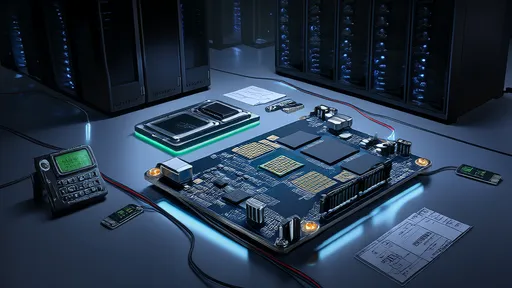
Successfully extracting secrets from a prototype requires equal parts technical skill and forensic patience. Modern devices often incorporate multiple layers of obfuscation, from epoxy-covered chips to firmware that wipes critical data if tampering is detected. Advanced techniques like delayering integrated circuits with acid or using electron microscopes to reconstruct circuitry have become standard tools in this underground art. One team famously reconstructed a next-generation processor’s architecture by analyzing the electromagnetic interference patterns emitted during operation—a feat comparable to deducing a symphony’s score by listening to an orchestra rehearse behind soundproof walls.
Software prototypes present their own challenges. Pre-release builds frequently contain placeholder code, debugging routines, and half-implemented features that can mislead researchers. Distinguishing between intentional design choices and temporary artifacts requires deep domain knowledge. The gaming community has uncovered numerous examples of this, where data miners have resurrected deleted levels or characters from prototype cartridges, providing insights into the creative process behind classic titles.
The Ripple Effects
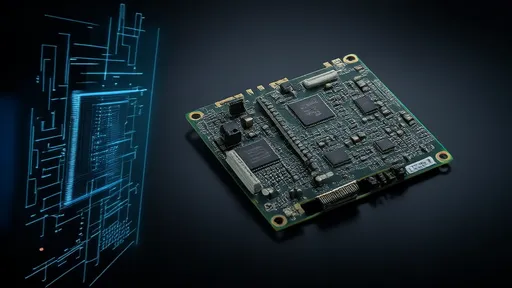
The impact of prototype reverse engineering extends far beyond the lab. When details of an unannounced product surface, they can influence stock prices, shift consumer expectations, and force companies to accelerate or alter their roadmaps. Industry analysts closely monitor these leaks, knowing that a single photograph of a prototype motherboard can reveal more about a company’s direction than months of carefully crafted press releases. This dynamic creates a cat-and-mouse game between corporations trying to control information and researchers determined to uncover it.
Perhaps most importantly, the practice preserves technological heritage. Many prototypes represent dead-end branches in the evolutionary tree of devices—ideas too radical or too early for their time. By documenting these forgotten experiments, reverse engineers create an alternative history of technology, one that highlights paths not taken and possibilities not yet exhausted. In an era where planned obsolescence dominates, this archival work ensures that promising ideas aren’t lost to corporate vaults and nondisclosure agreements.
As the pace of technological advancement accelerates, so too will the practice of reverse engineering prototypes. What began as industrial espionage has matured into a multidisciplinary field blending engineering, law, and history. While companies will continue developing new ways to protect their secrets, the allure of the unreleased will always find those willing to peel back the layers in pursuit of understanding.

By /Aug 15, 2025
By /Aug 15, 2025
By /Aug 15, 2025
By /Aug 15, 2025
By /Aug 15, 2025

By /Aug 15, 2025
By /Aug 15, 2025

By /Aug 15, 2025
By /Aug 15, 2025

By /Aug 15, 2025
By /Aug 15, 2025

By /Aug 15, 2025

By /Aug 15, 2025

By /Aug 15, 2025

By /Aug 15, 2025

By /Aug 15, 2025

By /Aug 15, 2025

By /Aug 15, 2025

By /Aug 15, 2025

By /Aug 15, 2025
