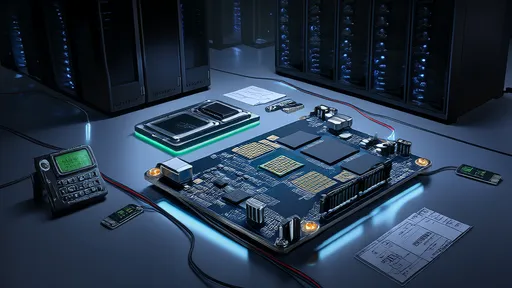
The world of hardware engineering has witnessed a growing trend in FPGA cloning projects, where enthusiasts and professionals alike attempt to recreate or improve upon existing FPGA-based systems. These reverse-engineering efforts often stem from a desire to understand proprietary designs, extend product lifespans, or create open-source alternatives to commercial hardware. The FPGA replication phenomenon represents a fascinating intersection of intellectual curiosity, technical skill, and sometimes controversial legal territory.
Understanding FPGA replication requires examining both the technical challenges and the broader implications for the hardware community. Field Programmable Gate Arrays offer unique advantages for cloning projects compared to ASICs, as their reconfigurable nature allows for experimentation without requiring expensive fabrication processes. Engineers working on these projects typically begin with extensive analysis of the target device's functionality, often using a combination of logic analyzers, protocol decoders, and sometimes even decapping chips to examine their structures under microscopes.
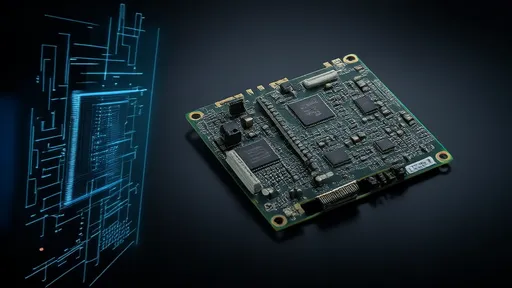
The process of recreating an FPGA design involves multiple complex stages. First comes the painstaking documentation of all observable behaviors and interfaces. This phase might involve weeks or months of signal monitoring and protocol analysis. Next comes the actual implementation, where engineers attempt to replicate the functionality using their own FPGA code. This stage frequently reveals undocumented features or unexpected behaviors in the original design that must be carefully reproduced to maintain compatibility.
Legal considerations form a significant aspect of any FPGA replication project. While reverse engineering for interoperability purposes enjoys some legal protection in many jurisdictions, the situation becomes more complex when dealing with copyrighted firmware or patented hardware designs. Many successful cloning projects navigate these waters by creating clean-room implementations where one team documents the behavior while another, isolated team writes the actual code without access to the original implementation.
The motivations behind FPGA replication projects vary widely across different communities. In retro computing circles, FPGA recreations of vintage chips help preserve computing history as original components become increasingly rare. Industrial users sometimes turn to cloning to extend the life of critical equipment when original manufacturers discontinue support. Meanwhile, in academic and research settings, these projects serve as valuable educational tools for studying digital design principles and hardware architecture.
Technical challenges in FPGA replication often exceed initial expectations. Modern FPGAs contain complex analog components like PLLs and high-speed transceivers that prove difficult to replicate accurately. Timing constraints present another major hurdle, as cloned designs must match not just the logical behavior but also the precise timing characteristics of the original hardware. These challenges lead many projects to adopt a "good enough" approach where the clone matches most but not necessarily all behaviors of the original device.
The tools and methodologies for FPGA replication have evolved significantly in recent years. Open-source toolchains like Yosys and nextpnr have made FPGA development more accessible, while affordable logic analyzers and protocol analyzers have lowered the barrier to entry for hardware analysis. Online communities sharing knowledge and techniques have accelerated progress, with forums and collaborative platforms enabling distributed teams to work on complex replication projects.
Successful FPGA replication projects often follow similar patterns in their development cycles. They typically begin with proof-of-concept implementations that handle basic functionality before progressing to more complete reproductions. The most thorough projects include extensive verification suites to ensure compatibility with existing software and peripherals designed for the original hardware. Documentation plays a crucial role, with many projects maintaining detailed logs of discovered behaviors and implementation decisions.
The impact of FPGA replication extends beyond individual projects. These efforts contribute to the broader open hardware movement by demonstrating that complex proprietary systems can be reimplemented through careful analysis and engineering. They also serve as case studies in hardware preservation, showing how digital systems might be maintained long after their original manufacturers have ceased support. Furthermore, they provide valuable insights into hardware security by revealing potential vulnerabilities in original designs.
Looking forward, the field of FPGA replication faces both opportunities and challenges. As FPGAs continue growing in capability and complexity, they offer more potential for ambitious cloning projects but also present greater technical hurdles. Legal landscapes may shift as courts grapple with cases involving hardware copyright and patent issues. Meanwhile, the growing sophistication of open-source FPGA tools promises to make these projects more accessible to a wider range of hardware enthusiasts and professionals.
The ethical dimensions of FPGA replication warrant careful consideration. While these projects often serve legitimate purposes like preservation and education, they can also enable intellectual property infringement when not properly managed. The community continues to develop norms and best practices to balance innovation with respect for original creators' rights. Many projects now include clear statements about intended uses and limitations to address these concerns.
From a technical perspective, the future of FPGA replication likely involves greater automation in the reverse engineering process. Machine learning techniques show promise for analyzing large datasets of signal traces and automatically generating potential implementations. Improved formal verification methods may help ensure cloned designs precisely match original specifications. These advances could dramatically reduce the time and expertise required for future replication projects.
The cultural significance of FPGA replication extends beyond pure technology. These projects represent a form of hardware archaeology, preserving knowledge that might otherwise be lost as companies disappear or abandon product lines. They embody a hands-on approach to understanding technology that contrasts with today's often opaque, disposable electronics. For many participants, the value lies not just in the end product but in the process of discovery and problem-solving along the way.
As the FPGA replication community matures, we're seeing increased collaboration between projects and more systematic approaches to knowledge sharing. Standardized documentation formats, shared testing methodologies, and collaborative verification efforts are raising the quality and reliability of cloned designs. This professionalization suggests that what began as niche hobbyist activities may evolve into an established discipline within hardware engineering.
The relationship between FPGA replication projects and original equipment manufacturers remains complex. While some manufacturers view these efforts as threats to their intellectual property, others have recognized the value in engaging with the community. A few forward-thinking companies have even released documentation or tools to support third-party implementations, recognizing that a vibrant ecosystem can extend the usefulness and value of their products.
For engineers considering undertaking an FPGA replication project, the landscape offers both challenges and rewards. The work demands patience, attention to detail, and willingness to delve into low-level hardware behaviors. Successful projects require not just technical skills but also careful navigation of legal and ethical considerations. However, for those willing to take on these challenges, FPGA replication offers unparalleled opportunities to deeply understand significant hardware systems and contribute to preserving technological heritage.
The ongoing evolution of FPGA technology ensures that replication projects will remain relevant and challenging. New FPGA families with heterogeneous architectures combining programmable logic with hardened processor cores and specialized accelerators present fresh challenges for would-be cloners. At the same time, these advanced capabilities open possibilities for even more sophisticated recreations of complex systems. The field stands at an interesting crossroads between preservation, innovation, and intellectual property concerns.
Ultimately, FPGA replication represents more than just technical exercises—these projects embody important questions about who controls technology and how we preserve digital systems for future generations. As the practice continues to develop, it will likely influence broader discussions about open hardware, right-to-repair legislation, and the long-term maintenance of critical digital infrastructure. The coming years will reveal whether FPGA replication remains a niche activity or evolves into a more mainstream aspect of hardware engineering practice.

By /Aug 15, 2025
By /Aug 15, 2025

By /Aug 15, 2025
By /Aug 15, 2025
By /Aug 15, 2025

By /Aug 15, 2025
By /Aug 15, 2025

By /Aug 15, 2025
By /Aug 15, 2025

By /Aug 15, 2025
By /Aug 15, 2025

By /Aug 15, 2025

By /Aug 15, 2025

By /Aug 15, 2025
By /Aug 15, 2025

By /Aug 15, 2025

By /Aug 15, 2025

By /Aug 15, 2025

By /Aug 15, 2025

By /Aug 15, 2025
