The world of vintage audio and gaming has seen a resurgence in recent years, with collectors and enthusiasts seeking out original cassette tapes, cartridges, and other media from decades past. However, one of the most common issues plaguing these relics is contact degradation—the slow deterioration of the metallic connectors that allow devices to read data or play audio. Cartridge contact repair has become an essential skill for preserving these pieces of history, ensuring they remain functional for future generations.
When a cassette tape or game cartridge fails to work, the problem often lies in the oxidation or dirt buildup on the metal contacts. Over time, exposure to air and moisture causes these contacts to tarnish, leading to poor signal transmission. In severe cases, the device may not recognize the media at all. This is where contact repair techniques come into play, offering a way to restore functionality without causing further damage.
One of the most basic yet effective methods involves using isopropyl alcohol and a soft cloth or cotton swab to gently clean the contacts. High-purity alcohol (90% or above) is preferred, as it evaporates quickly and leaves no residue. For more stubborn oxidation, specialized contact cleaners containing deoxidizing agents can be used. These solutions break down corrosion without harming the underlying metal, making them a favorite among restoration experts.
In cases where cleaning alone isn’t enough, light abrasion may be necessary. Fine-grit sandpaper or a fiberglass pen can be employed to remove heavily oxidized layers, but caution is paramount. Over-aggressive polishing can wear down the contacts, reducing their lifespan. Some restorers advocate for using a pencil eraser—a surprisingly effective and gentle tool for scrubbing away grime without causing excessive wear.
For those dealing with cartridge-based systems like the Nintendo Entertainment System (NES) or Sega Genesis, contact issues often manifest as blinking screens or failure to boot. The problem isn’t always the cartridge itself—sometimes, the console’s internal connector pins are to blame. Carefully bending these pins back into alignment or cleaning them with alcohol can resolve many issues. However, if the contacts are too worn, replacement may be the only viable option.
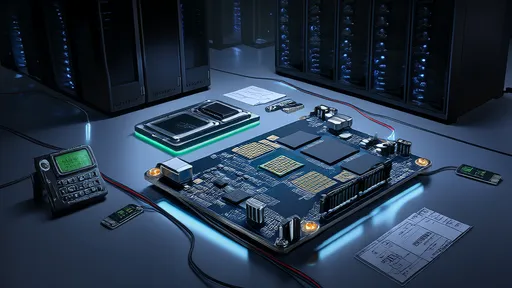
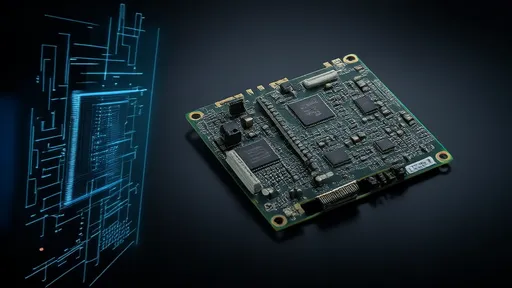
Advanced repairers sometimes turn to reflowing solder joints on cartridge PCBs, as cold or cracked solder can mimic contact problems. This requires precision soldering skills and should only be attempted by those with experience. Similarly, in rare cases where contacts are beyond saving, transplanting connectors from a donor cartridge can breathe new life into an otherwise unusable piece of media.
Preventative maintenance plays a crucial role in extending the life of cartridges and tapes. Storing them in a cool, dry environment slows oxidation, while periodic cleaning—even when not in use—keeps contacts in good condition. Some collectors go a step further by applying a thin layer of dielectric grease to contacts after cleaning, though this is debated among purists who argue it may attract dust over time.
The rise of retro gaming and analog audio nostalgia has created a thriving market for refurbished media, making contact repair skills increasingly valuable. Online communities share techniques and troubleshoot problems, fostering a collective knowledge base that helps preserve these artifacts. As original hardware ages, the ability to maintain and repair these connections ensures that classic games and recordings remain accessible, not just as emulated experiences but in their authentic, tangible forms.
Looking ahead, the field of contact restoration continues to evolve. New cleaning solutions and tools emerge regularly, offering less invasive ways to address oxidation. Meanwhile, 3D printing and precision machining open possibilities for recreating damaged connectors that would otherwise be irreplaceable. What was once considered disposable consumer electronics has transformed into cherished cultural heritage—and keeping those connections alive, both literally and figuratively, remains at the heart of the preservation movement.

By /Aug 15, 2025
By /Aug 15, 2025

By /Aug 15, 2025
By /Aug 15, 2025
By /Aug 15, 2025

By /Aug 15, 2025
By /Aug 15, 2025

By /Aug 15, 2025
By /Aug 15, 2025

By /Aug 15, 2025

By /Aug 15, 2025

By /Aug 15, 2025

By /Aug 15, 2025

By /Aug 15, 2025

By /Aug 15, 2025

By /Aug 15, 2025

By /Aug 15, 2025

By /Aug 15, 2025

By /Aug 15, 2025

By /Aug 15, 2025
